
Smooth, creamy, homemade dessert.


Rich custard
in minutes — good to
the last spoonful.
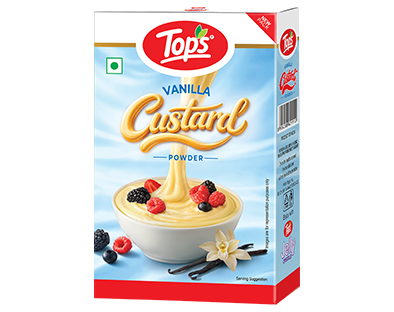
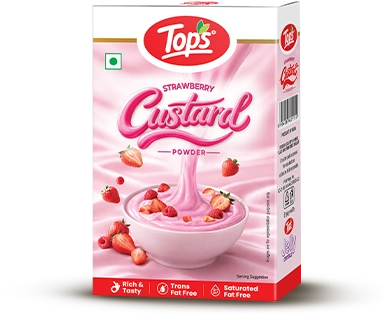
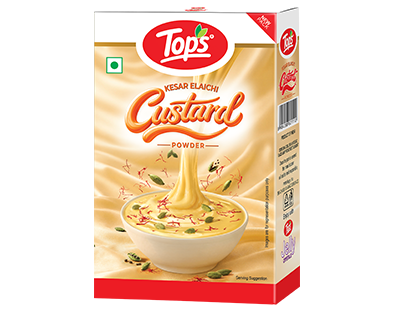
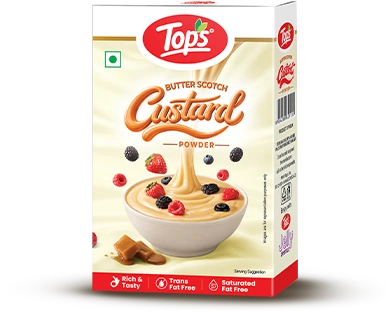
The flavour range
Many flavours. Endless desserts.
Pick a mood — fruity, classic or rich & festive.
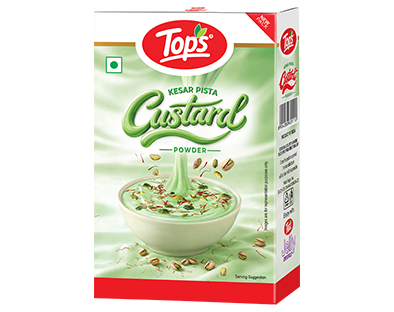
Easy to make recipe
Ready in minutes.
-
Mix custard powder in cold milk to a paste
-
Boil milk with sugar
-
Stir in, simmer & chill to set



So many ways to use it
One Box, Many Possibilities
Custard powder is just the start.
-
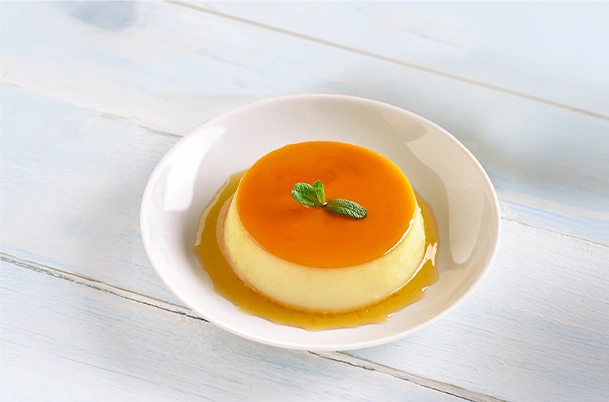
Vanilla-caramel Custard
-
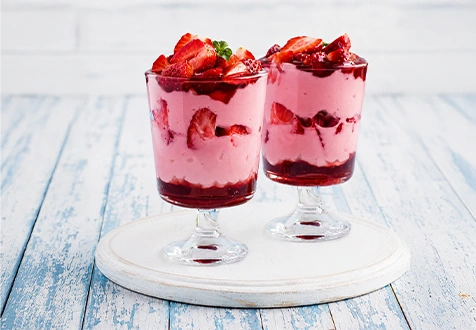
Strawberry Custard Trifle
-
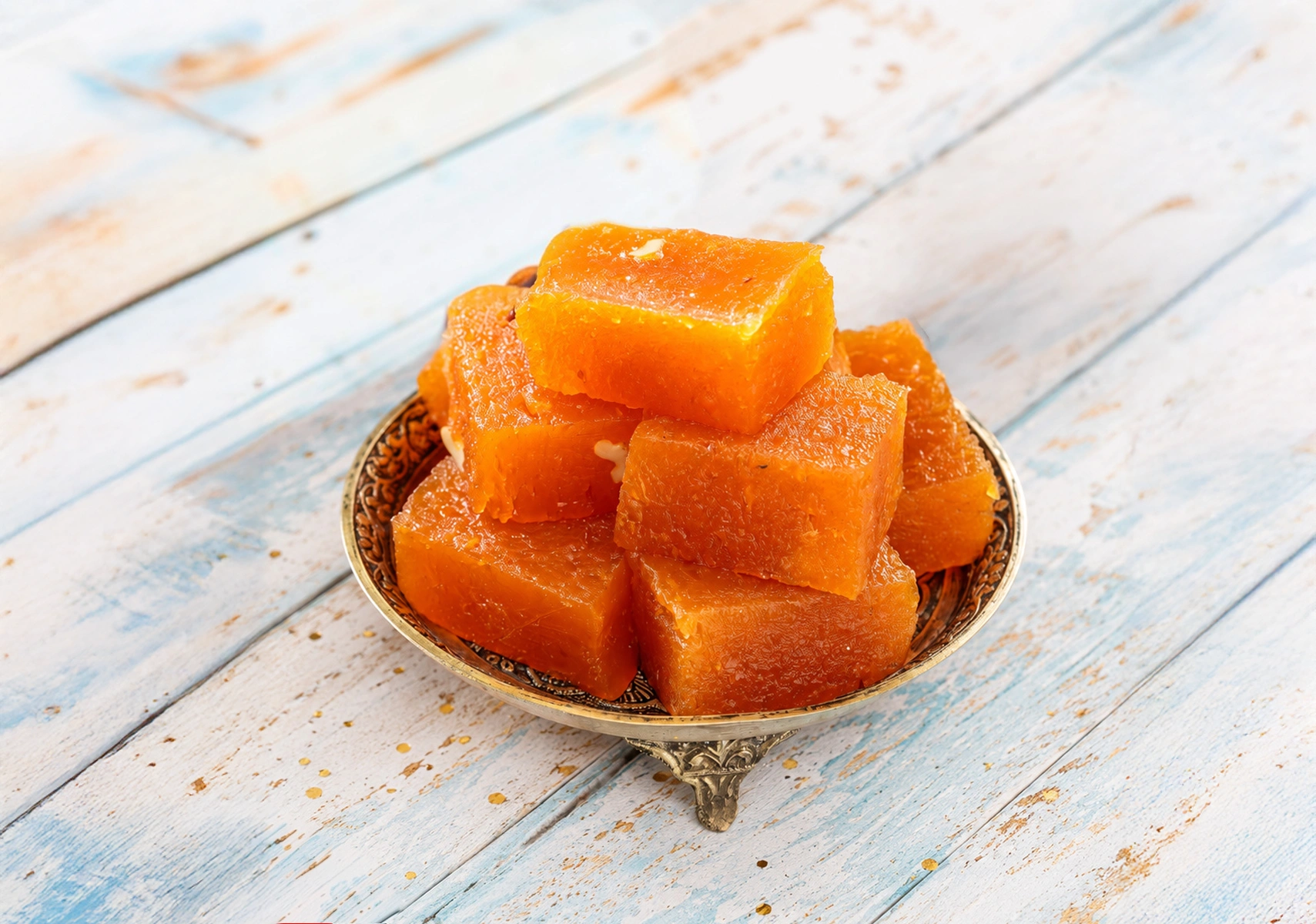
Butterscotch Halwa
-
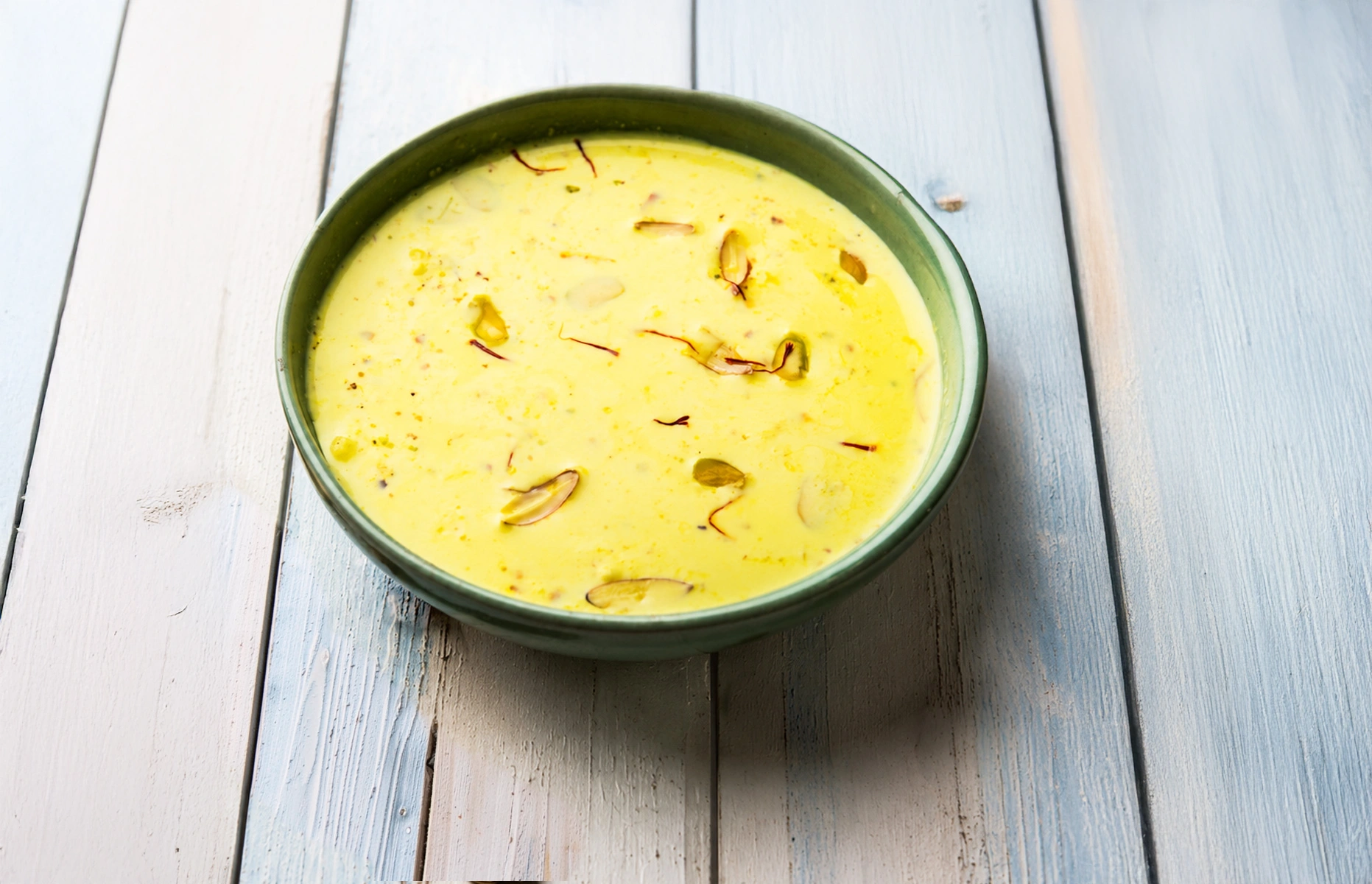
Kesar Pista Custard
Custard Facts
Custard has been a dessert since the Middle Ages
Cooks have been baking custard inside pastry since medieval times, where it was served as a custard tart. It is one of the oldest desserts still made much the same way today.
The name comes from the crust, not the cream
‘Custard’ comes from the old French crustade, meaning the crust of a tart. The word originally described the pastry case — the filling borrowed the name and kept it.
Instant custard powder was invented for a wife who couldn’t eat eggs
In 1837, a chemist named Alfred Bird in Birmingham, England, created the first powdered custard. His wife was allergic to eggs, and traditional custard is made almost entirely of them.
So he built a version without any — and in doing so created the powder that made custard something anybody could make in minutes.
There are no eggs in custard powder at all
Custard powder is mostly cornflour, with flavouring and colour. The cornflour does the thickening that eggs would normally do, which is why it sets so reliably and never scrambles.
It is also why custard powder is naturally vegetarian — something the original egg custard never was.
Frozen custard was invented by two ice cream brothers in 1919
Archie and Elton Kohr, two brothers selling ice cream on Coney Island in New York, added egg yolk to their mix to keep it cold for longer. The result was frozen custard.
They sold more than 18,000 cones in their very first weekend.
Frozen custard is denser than ice cream — because of air
Regular ice cream has a good deal of air whipped into it as it churns. Frozen custard has much less, which is what makes it taste denser, smoother and creamier from the very first spoon.
Custard can be a sauce, a filling, or dinner
Thin enough to pour, it becomes a sauce — the French call it crème anglaise. Thicker, it becomes the pastry cream inside éclairs and tarts.
It is not only sweet, either. Savoury custard is what sets a quiche, and it forms the golden top layer of baked dishes such as the South African bobotie and many Balkan versions of moussaka.
Boiling is what ruins custard
Egg custard sets gently with heat, but boiled too hard it splits and turns grainy. That is why traditional recipes insist on low heat and constant stirring.
Custard powder sidesteps the problem entirely. Cornflour needs the boil to thicken, so the step that would spoil an egg custard is the step that makes this one work.
Custard turns up in more Indian desserts than you’d think
- Fruit custard
- Chilled custard folded through chopped seasonal fruit — a staple at family lunches and celebrations.
- Trifle
- Layers of cake, fruit and custard, set and served cold.
- Custard biscuits and cakes
- A spoon of the powder in the dough adds colour, softness and that familiar vanilla warmth.
- Ice cream base
- Used at home to make a smoother set without an ice cream machine.